Wednesday, 25 August 2010

Summer Carnaval in Playa de las Américas

I’ve got to admit to being a tad sceptical when I heard that a summer carnaval was going to be held in Playa de las Américas. I mean you can’t just hold a ‘carnaval’; it doesn’t work like that. Apart from the months of prep that goes into the main carnavals around the island, the furiously beating heart and soul of the carnaval spirit comes from what’s happening in the streets. Carnaval is all about holding a last wild hedonistic bash before giving up the good stuff in life for Lent…and you can’t simply replicate that with a click of the fingers and some sticky tape.

The second point which had me cringing at the idea of a summer carnaval was that I’d witnessed a ‘mock’ carnaval of sorts not so long ago when the British Guild of Travel Writers visited Tenerife. It was tacky and embarrassing and, from the comments I heard, had the opposite effect on the BGTW than that which the organisers intended.

As we were in the area we decided to head to the milla de oro (golden mile) in Playa de las Américas to have a look. The parade was due to begin at 7.30pm, but there were still cars streaming down the ‘golden mile’ at that point – so a late start at least was authentic enough.

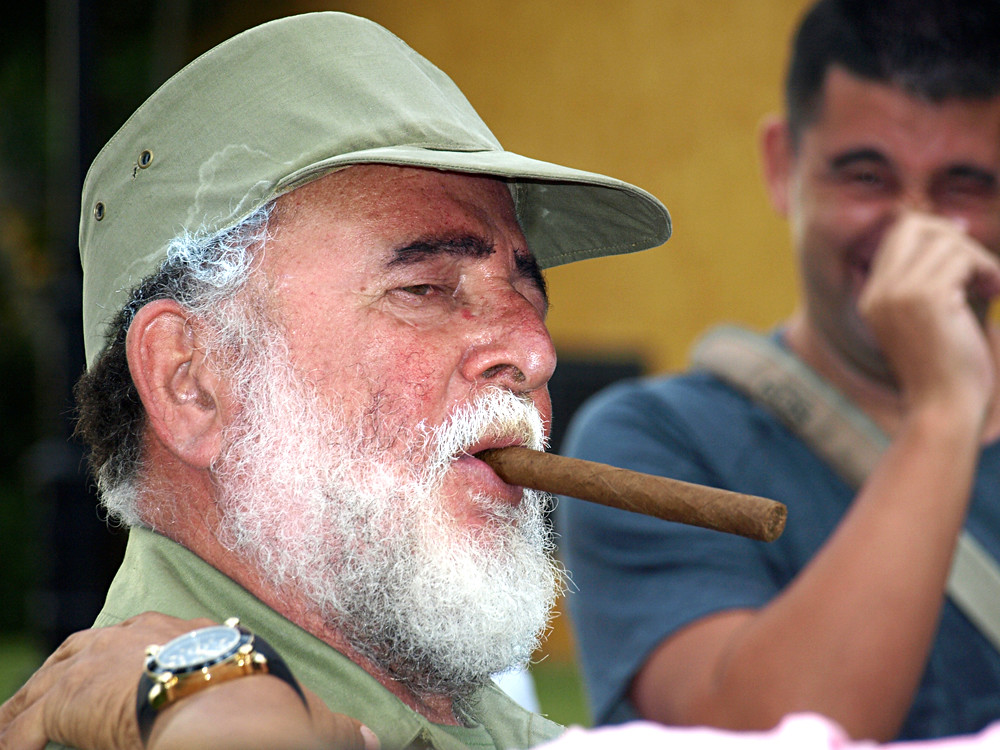
Furthermore, the scaled down madness outside the Hotel Villa Cortes was exactly like the scenes before carnaval parades; girls from comparsa groups struggled to squeeze into tiny costumes; there were surreal elements like a tyrannosaurus rex glaring at passers-by; Fidel Castro, Charlie Chaplin, Michael Jackson and Popeye posed for photos and the animals from the movie Madagascar ran around aimlessly before being herded by a girl in skins with a bone through her hair whilst a DJ in a bar opposite blasted out the obligatory Latino music.

Eventually the parade got underway and the drums, dancing, bright costumes and bizarre characters brought the tourists from the bars to line the streets in impressive numbers.

I might have been snotty about the whole thing beforehand but although it’s not the real thing, at least it was a taster of an authentic carnaval parade. Credit to all those involved, they did it in the right spirit and the result was thoroughly enjoyable. Many visitors to the south are never going to make the trip to Santa Cruz or even Puerto de la Cruz, to see a full blown version; so at least the ‘summer carnaval’ will have given them some idea of the flamboyance and fun of carnaval in Tenerife.

However, if in a few days time I read somewhere about someone saying that, after watching the parade, they’ve ‘done’ carnaval’, you’ll be able to hear my head banging against the wall on the other side of the island.

Thursday, 19 August 2010

Where is the Real Tenerife?

That title could also have read ‘What is the real Tenerife?’ On our blogs and websites we talk a lot about the ‘Real Tenerife’, but what do we actually mean when we use that term?

We use it to differentiate between the parts of Tenerife that were built purely for tourism and the parts where people live and work and where customs and traditions stretch back centuries. This isn’t meant to suggest that one is better than the other, but it’s vitally important to let people know that they are very different worlds and have qualities that appeal to the varying likes and dislikes of people looking at Tenerife as a holiday destination .

Before we considered moving to Tenerife we had a very clear idea of what we thought Tenerife was like. This perception had been painted partly by the newspapers and partly by British TV, but some of it had also come from our own experiences passing through certain areas on the way to catch the ferry to La Gomera. Some of it had also been derived from researching English language sites on Tenerife which tended to feature topics mainly based around life and holidays in one area of Tenerife and that area was the one that most people knew and visited – the area around the main southern resorts.

It came as a surprise to us to discover that this area that most English speaking people talked about was in reality very small geographically and that most of Tenerife was quite different. I’m not talking about a north south divide here, I’m talking about anywhere at all that lies 5 minutes outside of the heart of Playa de las Américas or Costa Adeje.

If you read the Spanish press, this is obvious. The locations which feature in the main topics of conversation for many British people hardly warrant a mention in local Spanish language papers.

This was a revelation to us and once our eyes were opened to the truth, we moved to Tenerife and began to try to spread the word about this ‘real Tenerife’ that only a few people seemed to talk about.

To us the real Tenerife is a place where the traffic is stopped for goats; you wonder how people get any work done because of the amount of fiestas; if you don’t speak Spanish you’ll never be able to sort anything out; menus offer cabra, conejo and cherne; any music other than traditional Canarian or Latino is considered ‘alternative’; mas o menos is a mantra and advice from anyone other than a Canario is received in the same manner as a poisoned chalice would be. Most of the places on Tenerife we spend time in are like this.

However, someone on a Tenerife Forum said something recently that was very valid. They made a comment that to 90% of British visitors, the Tenerife of the resorts was the ‘real Tenerife’. The person might have plucked the figure from thin air, but it was an interesting and well made point that probably wasn’t too far off the mark.

You could argue that the real Tenerife is the Tenerife that each and every individual on the island experiences. To 90% of British visitors (or whatever the real figure is) the real Tenerife continues to be the tourist resorts they love and return to regularly. On the other hand, for the majority of Canarios and the Brits who venture outside of the resorts, the real Tenerife is something completely different.

If you’re one of the 90% you know exactly what you’re getting and that’s great. However, if you want to become one of the 10% who experience a different ‘real Tenerife’, venture away from the resorts and you’re in for a surprise and a treat.

It’s one of the unexpected delights of Tenerife. Mass tourism has thrived on this island for nearly half a century…and yet most of Tenerife is still a secret waiting to be discovered.

Wednesday, 21 July 2010

What Is There To Do In Tenerife?

 I keep a regular check on local forums and travel review sites like Tripadvisor to see what sort of things that people coming to Tenerife to visit or even stay are asking and saying about Tenerife.

Every so often I read comments from people who have ‘seen all there is to see on Tenerife’ (i.e. they’ve taken a coach excursion to Mount Teide, Masca, Garachico and La Orotava) or are bored because all there is the sun and the sea.

When I read these I invariably end up with a bruised chin as a result of it coming into contact with the floor.

We’ve been exploring towns, villages, hamlets, beaches, forests, ravines, caves and any old nook and cranny for nearly seven years. We’ve notched up fiestas, concerts, shows and open air raves. We’ve eaten in god knows how many restaurants across Tenerife from super cool establishments to guachinches in the middle of allotments and drank whatever the barman put in front of us in so many bars they’ve become a blur. We’ve tasted wine from the best vineyards as well as from tiny plots.  I’m not trying to prove any credentials here just merely trying to state that, partly because of the work we do and partly because we’ve always sought out new experiences, we spend a lot of time trying to discover as much as we can about this island…and I don’t feel that I’ve seen or done all there is to enjoy on Tenerife.

This month alone I haven’t seen or done anything like the things I would have wanted to. There’s still a third of the month to go and whilst I’ve watched some of the Ladies Open Golf tournament; eaten sardines to the strains of a maquinaria band; been blasted by water pistols at a fiesta and scorched by a heatwave at the Erjos pools; shed a tear as Ave Maria was sung to the Virgen del Carmen; felt too old at an open air rave; been wowed by African singer Angélique Kidjo and battled dimunitive Canarian abuelas at the start of the summer sales; cheered on Tenerife’s Pedro and Spain during the World Cup and made peach chutney with the meagre crop from our peach tree, there are far too many other things that I haven’t done.

I didn’t get to the Indian festival in Las Américas, folklore concerts and windsurfing championship in El Médano, traditions fair in Chirche, salsa concert or the Smiths night in Santa Cruz, the car rally in Adeje, the motocross championship in San Miguel, the beach fashion show in Los Cristianos, Simply Red in Costa Adeje or any of the concerts, fiestas and shenanigans that take place in the northern municipalities that you have to know about them to know about them if that makes sense.

However, before July ends I’ve still got time to enjoy the agricultural fiesta In San José, watch fireballs rolling down the hills in Garachico, see if Nelson can win the battle of Santa Cruz this time, take in the Moscow Ballet, go to the Lan party, try some sea urchins and maybe watch a couple of movies at the open air cinemas that are erected for summer.

What is there to do in Tenerife? If you go native and do what the locals do there are more things than you could ever possibly imagine. 

Tuesday, 29 June 2010

The Best Week to Visit Tenerife, Rock, Blues, Bonfires & Quaint Fiestas

If someone wanting to experience the cream of what Tenerife has to offer asked me when would be the best time for holidays on Tenerife, I wouldn't have to think for even a second before answering.

Unfortunately if you're reading this and planning a visit to Tenerife in the near future, my answer is going to be really annoying as it's the week that has just passed.

The period around the official start of summer is always full of activities as well as two of the best festivals on Tenerife's fiesta calender...and you can guarantee that the weather is going to be hot.

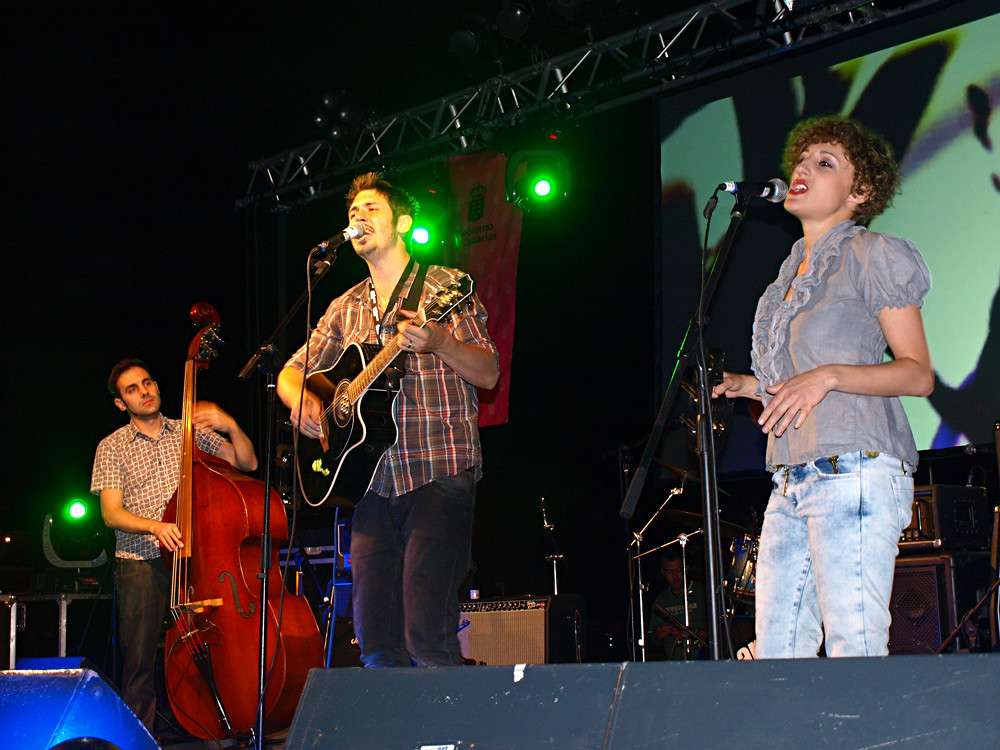
The week started with the European Day of Music in Puerto de la Cruz when seven bands welcomed in the summer beside the town's picturesque harbour. I've said it over and over again; if you visit a place like Puerto, you aren't going to see the best of it in a pub which caters for the British – apart from maybe The Majestic, which is a scream. On a Saturday night it's always worth checking out what's going around Plaza Charco and the harbour as that's where the real action takes place.

Anyone who does feel the need to spend their Saturday nights in a bar could always opt for the Queen Bee or the Frigata beside the harbour and get the best of both worlds.

This time of year is also a great time for walking on Tenerife. Temperatures are high, but not oppressively so and we always try to fit in a jaunt in the countryside in between the hectic nocturnal activities. This year we explored a part of the north coast near us and found fishermen's shacks beside beautiful clear rock pools.

The highlight of the week is the midsummer celebrations on the night of San Juan. These take place all over the island and are a real insight into Tenerife's true character. Even in the main resorts in the south like Playa Los Cristianos and Las Vistas, Canarian families head to the beach to make wishes and bathe in the sea after midnight for good health and fertility. It seems crazy, but I've sort of become hooked on the tradition and even though we spent this year exploring celebrations along the north coast, we had our swimming cossies under our clothes. There was no way I was going to risk the wrath of the gods, so wherever we were after midnight I was determined that my body would be bathed with the magic waters. As it turned out we ended up back at the best San Juan party on the island at Playa Jardín in Puerto de la Cruz. A rock band kept the beach bouncing as we picked our way through the crowds to the shoreline where we waited for a break in the waves so that we wouldn't be dragged to San Borondón (mythical Canarian island which turns up on San Juan)as we doused our skin in the waters.

Another magical thing in Tenerife is the time, it disappears at frightening speed and one second it's midnight, the next it's 2am. Not late for a fiesta, but it is when you want to watch el baño de las cabras (bathing of the goats) just over six hours later. Don't be put off by any misinformed suggestions that this is a cruel tradition, it isn't. It might be noisy and messy, but it isn't cruel.

One thing I learned at this year's annual goats' day out is to keep your eyes on the asses at all times. Not a bad life mantra come to think of it. As I was getting up close and personal with a few billies, a tethered mule decided to eat my trousers and clamped its jaws around my left knee.  El baño de las cabras - cruel to goats, no; cruel to photographers, yes.
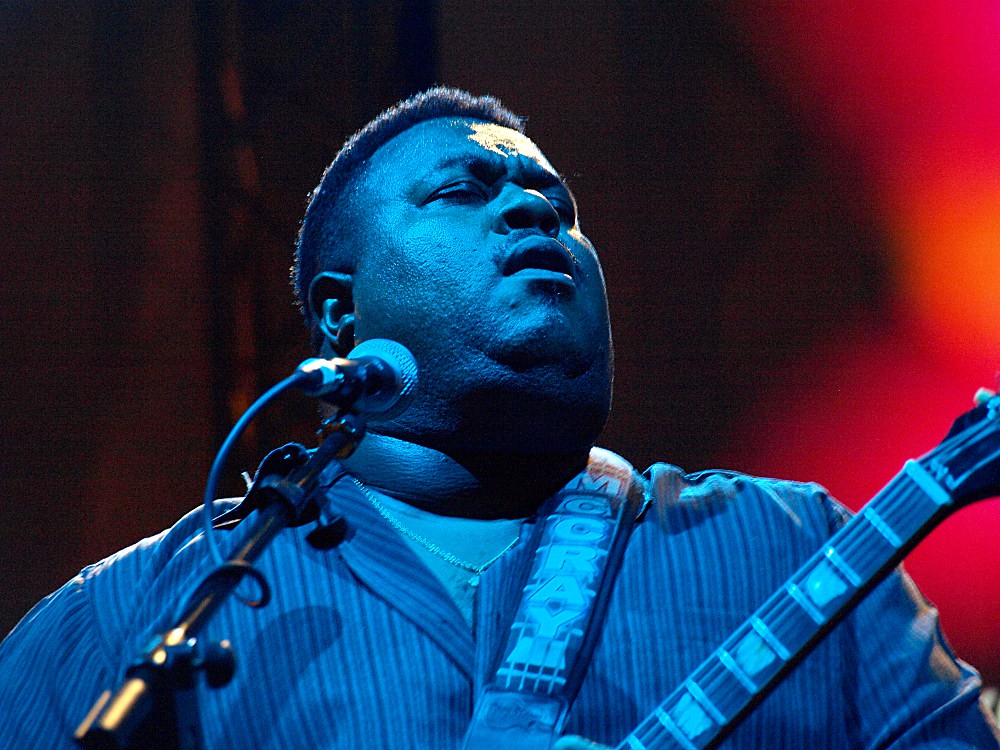
The week was rounded off by Santa Blues, a small blues festival in the capital, Santa Cruz. It's spread across three nights and lasts from around 9.30 till half past midnight. I love all types of music, but there's something about good blues which just reaches deep inside my soul. Unfortunately it doesn't quite reach my feet and my natural rhythm is akin to Steve Martin's at the start of The Jerk. This year's festival was particularly good with ace performances from Larry McCray and especially Kenny Neal as well as some decent support bands.

Santa Blues is quite a special end to a magical week on Tenerife and here's an even more amazing thing about the week. Everything I've mentioned is completely free.

Going Native in Tenerife – It Reaches the Parts Other Guide Books Don't

Thursday, 10 June 2010

Tenerife North V Tenerife South – But What about the East and the West?

A comment on the previous blog mentioned the east and the west of Tenerife and asked what about Los Gigantes?

That blog was about visitors’ general perceptions of Tenerife – which sometimes are condensed into simplified questions about north and south and as a result don’t paint an accurate picture of the island as a whole.

It would be possible to write reams and reams about why to talk about the island in terms of points of the compass can be misleading when taken out of context. There are far more complex issues involved that go beyond the differences in climate; although climate does usually play a role, but not in a 'is it nice enough to sunbathe' sort of way.

So what about the east and the west?

First the west. There is a world of difference between the western towns on the northern side of the Teno Mountain range and those on the southern.

In many ways the resorts on the south west coast are a microcosm of the Los Cristianos, Las Américas and Costa Adeje area.
Just as Los Cristianos existed as a tiny fishing community before tourism, so did Puerto Santiago. Los Gigantes and Playa de la Arena, like Las Américas and Costa Adeje, are the invention of developers and didn’t exist before a hotel was built. Think about this, Playa de la Arena in English simply means ‘sandy beach’.

It doesn’t mean that they’re not nice places to visit or live; they enjoy the best of Tenerife’s sunshine. However, in days gone by noblemen, wealthy merchants and artists chose the towns on the other side of the mountain range to set up home. It’s on the north western coast in places like Buenavista del Norte, Los Silos and Garachico that travellers can still discover a Tenerife that wasn’t created to satisfy the demands of the tourist industry.

In many ways the other end of the island, the east, is even more interesting. The capital Santa Cruz and former capital, La Laguna are located there (well…north east) and that metropolitan area is home to the greatest concentration of residents on the island. But you wouldn’t know that from much of what you read about Tenerife in tourist brochures or even in the British media.

La Laguna was an ecclesiastical centre and a seat of learning. Its old quarter is a World Heritage Site and is full of beautifully preserved colonial architecture. But that doesn’t mean it’s simply a haven for people who like old buildings and museums. It is home to the university and bars and restaurants exude the youthfulness and vibrancy that you find in university towns. Santa Cruz, the political and business hub of the island, is no different – there’s a reason why most major music concerts take place in the capital. Look in the Spanish press at live music venues and you’ll hardly see a mention of tourist resorts, instead listings will be mainly in these two places…even though Las Américas is the place dubbed the nightlife centre of Tenerife.
In nearly every way, Santa Cruz and La Laguna are the true centres of Tenerife’s world…but not when it comes to tourism. In tourism terms they just don’t hold the same draw as the resorts and that can make them almost invisible to many visitors.

Here’s a little fact which really illustrates how La Laguna’s role in tourism has changed with the rise of mass tourism. In 1864, there were at least six hotels in La Laguna. Nowadays, with all the millions of visitors that descend annually on these shores, there are a grand total of two.

It’s interesting that what attracted the artists, explorers and adventurers holds limited interest for the majority of the mass tourist market. On the bright side, it means that those who still possess a spirit of exploration and adventure have much to discover away from the sun, sand and sangria scene.

Thursday, 3 June 2010

Tenerife North v Tenerife South – How Can You Tell if You’re a Northerner or a Southerner?

A question that is regularly asked by first time visitors to the island is ‘what’s the difference between the north and south of Tenerife?’

It’s important to understand what people are normally actually asking by this. What they really mean is ‘what’s the difference between the southern resorts and the northern ones?’ As there is only one main northern resort, that really means the southern resorts and Puerto de la Cruz.

I make this distinction because there is a massive difference between the main southern resorts (Los Cristianos, Costa Adeje & Playa de las Américas) and the towns in the hills behind them.

The most popular answer is the weather and whilst there’s no denying that there are differences, it isn’t the only one, or necessarily the most important. You can sunbathe in both the north and south of Tenerife at anytime of the year. There’s even a place in the north called Puntillo del Sol because it’s rare that the sun doesn’t shine on it. But the weather is generally better in the south (from a sunbathing rather than an agricultural point of view).
The big difference is in what’s on offer and the character of the opposing sides of the island. Las Américas/Costa Adeje offers beaches, water sports, international dining, very diverse entertainment, lively clubbing and all the mod cons of a resort developed to meet the needs of visitors ranging from those looking for cheep ‘n’ cheerful fun in the sun to those looking for more sophisticated dining and entertainment. Only having existed since the second half of the 20th century the area doesn’t have a sense of history or traditional architecture.

Puerto de la Cruz has been around for centuries and therefore does have a sense of history and traditional old buildings, but not the levels of grand colonial architecture found in places like La Orotava or La Laguna.  It was a town, or more accurately a port, first and foremost and because of that its streets exude a completely different atmosphere from those of Costa Adeje. Like the southern resorts, there are plenty of restaurants to choose from, only in Puerto most are Spanish or Canarian; however, nightlife is a different kettle of fish. Many people think that it’s low key – not exactly an accurate assumption. The difference is that the nightlife is aimed at the local population, so a lot of live music bars don’t get going until late and aren’t frequented by most visitors. Much of the nocturnal fun is provided at open air fiestas. There are beaches (black sand), but no real water sports.

Whether you’d prefer south or north depends on personal preferences and what you want from a holiday. I have plenty of friends who like both. There are ex-pats who live in the south of the island who enjoy spending weekends in the north and there are many Canarios who head south for weekends. But some people are definitely only suited to one or the other. The question is how do you know for sure which is for you whether for a holiday or for longer?

I have a litmus test; however, you have to visit Puerto de la Cruz to be able to apply it.

Stand for a few moments at Puerto’s harbour at 10am on any morning. If you do and think ‘okay, so what?’ the chances are you’ll enjoy the main southern resorts more. And if you’re more suited to the north…you’ll know it at that very moment.

Monday, 24 May 2010

It's Like Tenerife Before Tourism

I'm a nosey bugger, I admit it; it's probably something to do with being a writer. I listen in to conversations all the time. I don't mean that if I'm sitting at the next table in a restaurant, I'll be leaning across trying to catch what you're saying, but if something is said which sets off the 'interesting' alarm, my ears lock on to the conversation.

One recurring conversation I hear on a semi-regular basis concerns Tenerife and the affect tourism has had on the island.

Recently in Masca I heard two British couples discussing the charming hamlet. One of them had been before and commented that it had lost some of its charm since it became a popular tourist attraction.

Not having been to the place before it became a tourist attraction, I wouldn't know about that. But Masca still holds bucket loads of charm as far as I'm concerned. The money that the tourists bring help it to remain an immaculate thriving little hamlet.

Last week I visited another very picturesque hamlet in a valley, but the difference with this one was that there were no tourists and most of the houses in the village were abandoned. Its downfall was partly to do with the rise of tourism on the coast way below.

I think it's an interesting comparison. Two beautiful rural locations; one arguably saved by tourism, the other possibly destroyed by it.

Another thing I heard recently was from someone who had just been to La Gomera.

“It's what Tenerife was like before tourism,” was how the person described it.

I've heard and read this a number of times and have got to confess that I'm not sure what it really means. Think about the biggest tourist developments in the south of Tenerife. What was there before tourism?

I've got a great little guidebook for Tenerife from 1969 which lists accommodation around the island. On the south coast there are only a handful of places in Los Cristianos, Las Galletas and El Médano and that was it. No Las Américas or Costa Adeje. They didn't exist; they're not towns which have been turned into resorts. There was nothing there and there definitely wasn't green countryside and quaint little farms. So not like La Gomera at all.

Tourism has clearly had an enormous impact on Tenerife, but it has on all the islands. There are valleys in La Gomera which are almost deserted because families have left to work in the tourist industry. I wonder if families from La Gomera visit Masca, think of the abandoned hamlets they hail from and comment, 'it's just like La Gomera before tourism.'
If anyone really believes that La Gomera is like Tenerife was before tourism, continue into the next valley beyond Masca, or take a tour of the Anaga Mountains, veering off down roads signposted to places like Afur or Batán. The truth is there are plenty of parts of Tenerife that are still exactly like Tenerife before tourism.

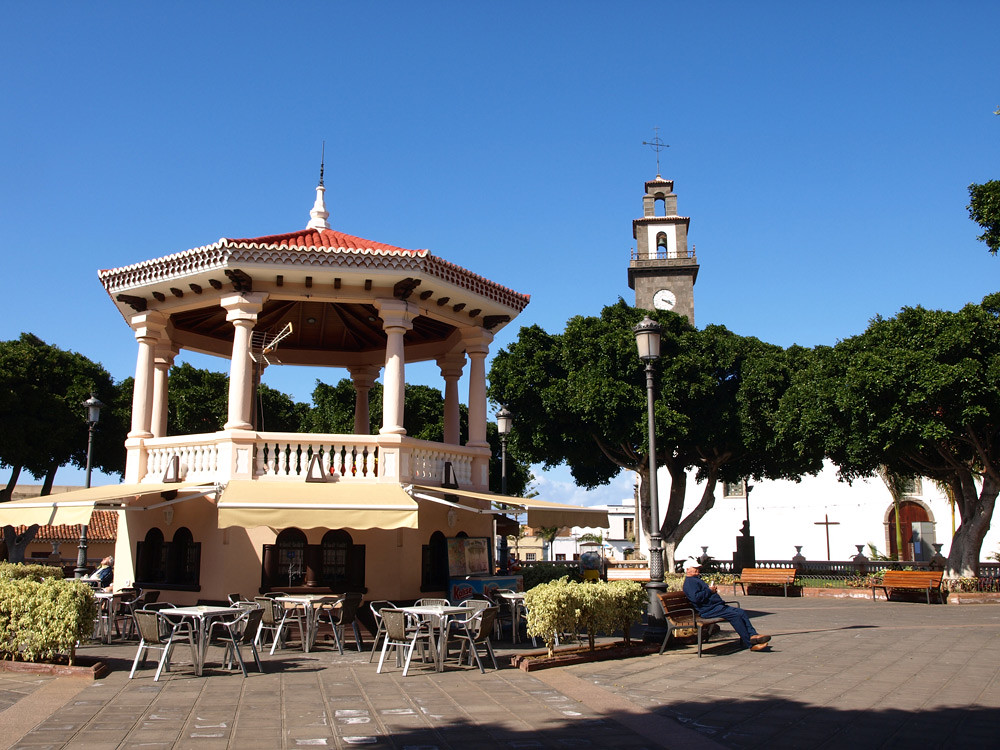
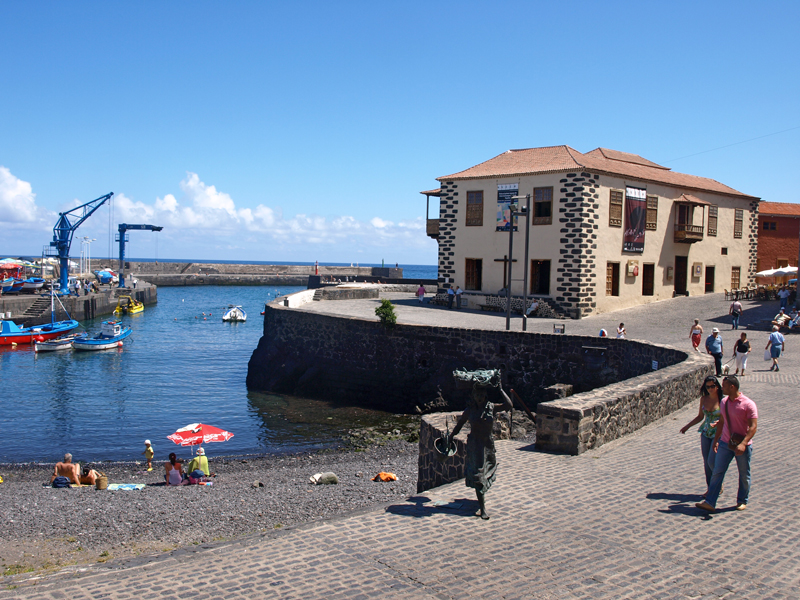
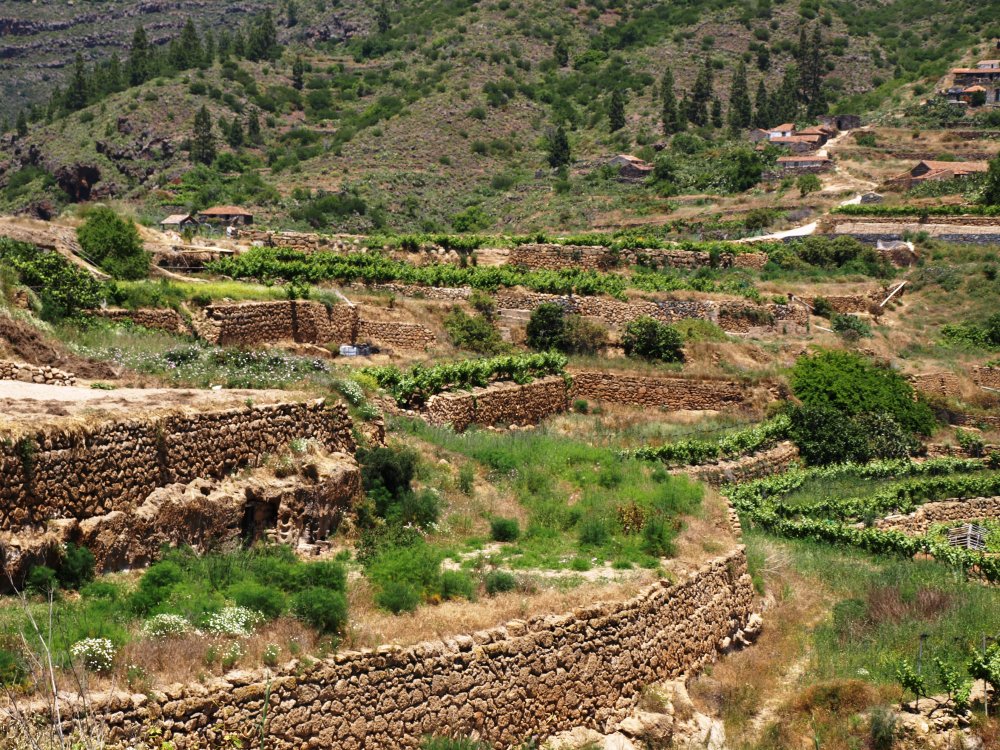
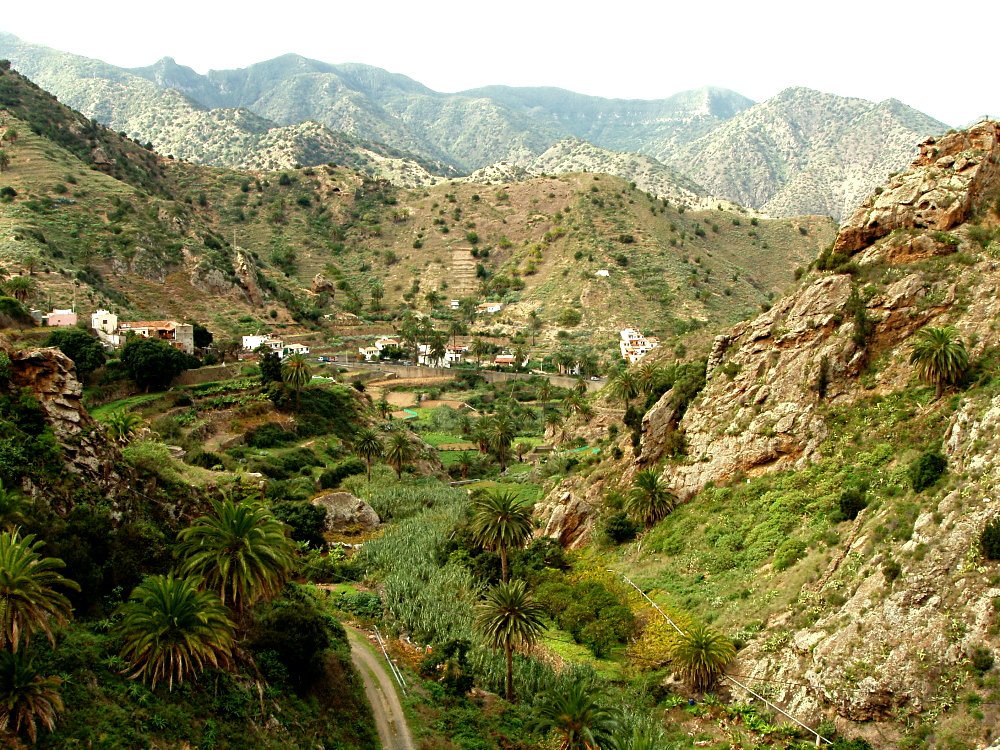
So here's a little test - which of the photos above are La Gomera and which are Tenerife?